



Mental Health & Dual Diagnosis
Trauma and Addiction: Why Healing the Root Matters
Published Jun 8, 2026 · Updated Jul 8, 2026
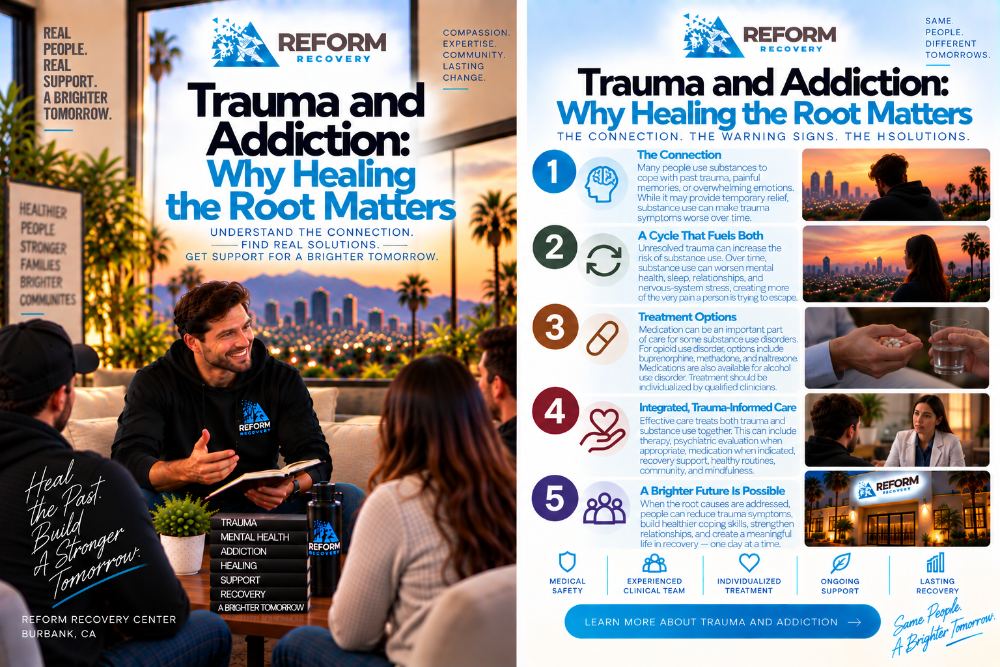
For a great many people, substance use started as a way to survive unbearable pain. Addiction and trauma are deeply linked — which is why lasting recovery so often means healing the root, not just stopping the substance.
The trauma–addiction link
Substances can temporarily numb the symptoms of trauma — hypervigilance, flashbacks, shame, emotional pain. That relief is real in the moment, which is exactly why it's so easy to keep reaching for. But it never heals the wound underneath.
Why "just stop using" misses the point
If you remove the coping mechanism without healing what it was covering, the pain comes roaring back. That's a setup for relapse. Trauma-informed treatment addresses both.
How healing happens
- A safe, nonjudgmental environment
- Trauma-focused therapies delivered at your pace
- Learning to feel and regulate emotions without substances
- Rebuilding a sense of safety and self-worth
There's hope for deep healing
The brain and heart can heal, even from old wounds. Call us for compassionate, trauma-informed care.
Ready to take the first step?
One confidential call is all it takes. We'll verify your insurance and handle the details.
Call 844-R-REFORMSources
- The National Child Traumatic Stress Network (NCTSN)
- National Institute of Mental Health (NIMH) — Co-Occurring Substance Use and Mental Disorders
- NIDA — Co-Occurring Disorders and Health Conditions
- U.S. Department of Veterans Affairs — National Center for PTSD
These trusted, publicly available sources informed this article. Reform Recovery Center is not affiliated with and does not endorse these organizations; links are provided for educational reference.
This article is educational and is not medical advice or a substitute for professional care. If you or someone you love is in immediate danger, call 911. For emotional crisis or suicide support, call or text 988, 24/7.