Detox · Phase One
What Is Medical Detox — and Do You Need It?
The safe, supervised first step of recovery — who needs it, how long it takes, and what to expect.
Read more →











At Reform Recovery, we are a team of recovering alcoholics and addicts with years of sobriety, united by a shared understanding of the challenges and triumphs of recovery. We know what it feels like to walk the difficult path toward freedom from addiction because we've been there ourselves.
We believe that no two journeys to sobriety are the same, and we honor each individual's unique story and needs. Through our own recovery, we have gained the tools, experience, and compassion necessary to guide and support others.
Our commitment is rooted in the principle that you cannot give what you don't have, and what we have is sobriety. It is our greatest gift, and we are here to share it with those ready to begin their own path to healing. Together, we can help you discover the strength and hope that recovery brings, one day at a time.
No two people start in the same place. Some need more structure. Others are ready for outpatient care. Wherever you begin, our team will guide you through each phase with compassion, structure, and a personalized treatment plan designed around your needs. After your assessment, you're referred to the program that best fits your stage of recovery.
A safe place to begin.
The first step in recovery is helping your mind and body safely stabilize.
Our medical detox partners provide around-the-clock medical supervision to help manage withdrawal symptoms while keeping you as comfortable and safe as possible. During this time, you'll begin preparing mentally and physically for the next phase of recovery.
Step away from the chaos. Focus completely on healing.
Residential treatment gives you time away from everyday stress so you can build a strong foundation for recovery.
Living in a supportive environment allows you to focus on therapy, structure, accountability, healthy routines, and learning the tools needed for long-term sobriety.
Our Partial Hospitalization Program (PHP) is the highest level of outpatient care we offer.
Clients attend treatment five days a week in a highly structured environment that combines individual therapy, group therapy, life skills, recovery education, and personalized treatment planning.
Most clients begin PHP after completing residential treatment, although some may enter PHP directly based on their clinical needs. This phase provides the structure, accountability, and therapeutic support needed during the early stages of recovery, while allowing clients to return home or to sober living each evening.
Most clients remain in PHP for approximately 4 to 12 weeks, depending on their progress, treatment goals, and recommendations from their clinical team.
Building recovery into everyday life.
As clients become more stable in their recovery, they transition into our Intensive Outpatient Program (IOP). This level of care offers continued clinical support while providing greater flexibility to return to work, school, family responsibilities, and daily life.
Clients typically attend treatment 3 to 5 days per week, participating in individual counseling, group therapy, relapse prevention, and ongoing recovery planning. IOP allows clients to practice the skills they've learned in treatment while remaining connected to a strong clinical team and recovery community.
Most clients participate in IOP for approximately 8 to 16 weeks, although every treatment plan is individualized based on progress and clinical recommendations.
Long-term support for lasting recovery.
Recovery doesn't end when intensive treatment is complete. Our Outpatient Program (OP) provides continued support as clients transition into greater independence while maintaining a strong connection to their recovery.
Clients generally attend treatment 1 to 2 days per week, allowing them to focus on work, school, family, and personal goals while continuing therapy and accountability.
Many clients remain in outpatient treatment for several months or longer, depending on their needs. The goal is to provide consistent support while helping clients confidently build a healthy, balanced, and sustainable life in recovery.
Recovery is stronger when you're surrounded by people walking the same path.
Our sober living homes provide a safe, structured environment where accountability, community, and healthy routines become part of everyday life.
Residents build lasting friendships, develop responsibility, and practice recovery in a real-world setting while receiving ongoing support.
Whether it's alcohol, drugs, anxiety, trauma, depression, or anything else that has left you feeling stuck, overwhelmed, or out of control, we're here to help.
At Reform Recovery Center, we believe one of the most powerful things a person can do is ask for help. Admitting that something has become bigger than you isn't weakness. It's the beginning of lasting change. For many of us, that first step changed everything.
No matter where you are in your journey, we'll meet you where you are, guide you through the process, and walk beside you every step of the way.
Trust the process. Give us a call. Your new life can start today.
Call 844-R-REFORMOne principle for every step of the journey — the values we practice together, one day at a time.
Facing the truth about ourselves and our past is the foundation of recovery.
“Honesty is the first chapter in the book of wisdom.”
 Thomas Jefferson
Believing that a better life is possible, even when we cannot see it yet.
“Once you choose hope, anything is possible.”
 Christopher Reeve
Trusting a higher power and the process of recovery, even when it feels uncertain.
“Faith is taking the first step even when you don’t see the whole staircase.”
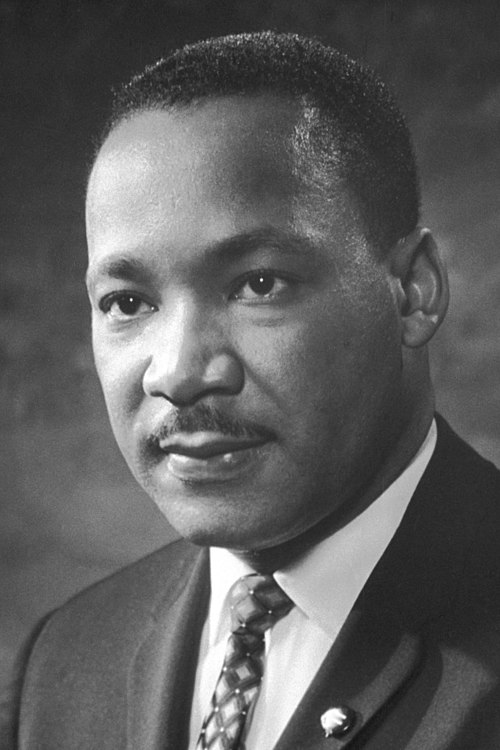 Martin Luther King Jr.
Having strength to face and overcome our fears and challenges.
“Courage is not the absence of fear, but the triumph over it.”
 Nelson Mandela
Living with honesty and moral principles, even when no one is watching.
“Integrity is doing the right thing, even when no one is watching.”
 C.S. Lewis
Being open to change and willing to do whatever it takes for recovery.
“The willingness to show up changes us, it makes us a little braver each time.”
 Brené Brown
Recognizing our limitations and relying on a power greater than ourselves.
“True humility is not thinking less of yourself; it is thinking of yourself less.”
C.S. LewisExpressing compassion and kindness toward ourselves and others.
“Love and compassion are necessities, not luxuries. Without them, humanity cannot survive.”
 Dalai Lama
Taking consistent action and maintaining accountability in our recovery.
“Discipline is the bridge between goals and accomplishment.”
 Jim Rohn
Accepting that recovery is a process that unfolds over time.
“Patience is not the ability to wait, but how you act while you’re waiting.”
 Joyce Meyer
Staying mindful of our actions, emotions, and their impact on others.
“Awareness is like the sun. When it shines on things, they are transformed.”
 Thich Nhat Hanh
Giving back to others what was so freely given to us in recovery.
“The best way to find yourself is to lose yourself in the service of others.”
 Mahatma Gandhi
Recovery isn’t just what we do — it’s who we are.
Every member of our team has experienced the hopelessness of addiction and found a new way to live. We know what it’s like because we’ve lived it.
Our purpose is simple: to help others find the same freedom we’ve found. We believe lasting recovery comes from learning to live life on life’s terms, discovering purpose, and helping others along the way.
When you walk through our doors, you’re not just entering a treatment program — you’re joining a community of people who understand where you’ve been and are committed to walking beside you every step of the way.
★★★★★ 5.0 based on 8 Google reviews
One confidential call is all it takes to begin. We'll handle the details.
We check your insurance benefits — quickly and confidentially — at no cost.
Verify Insurance

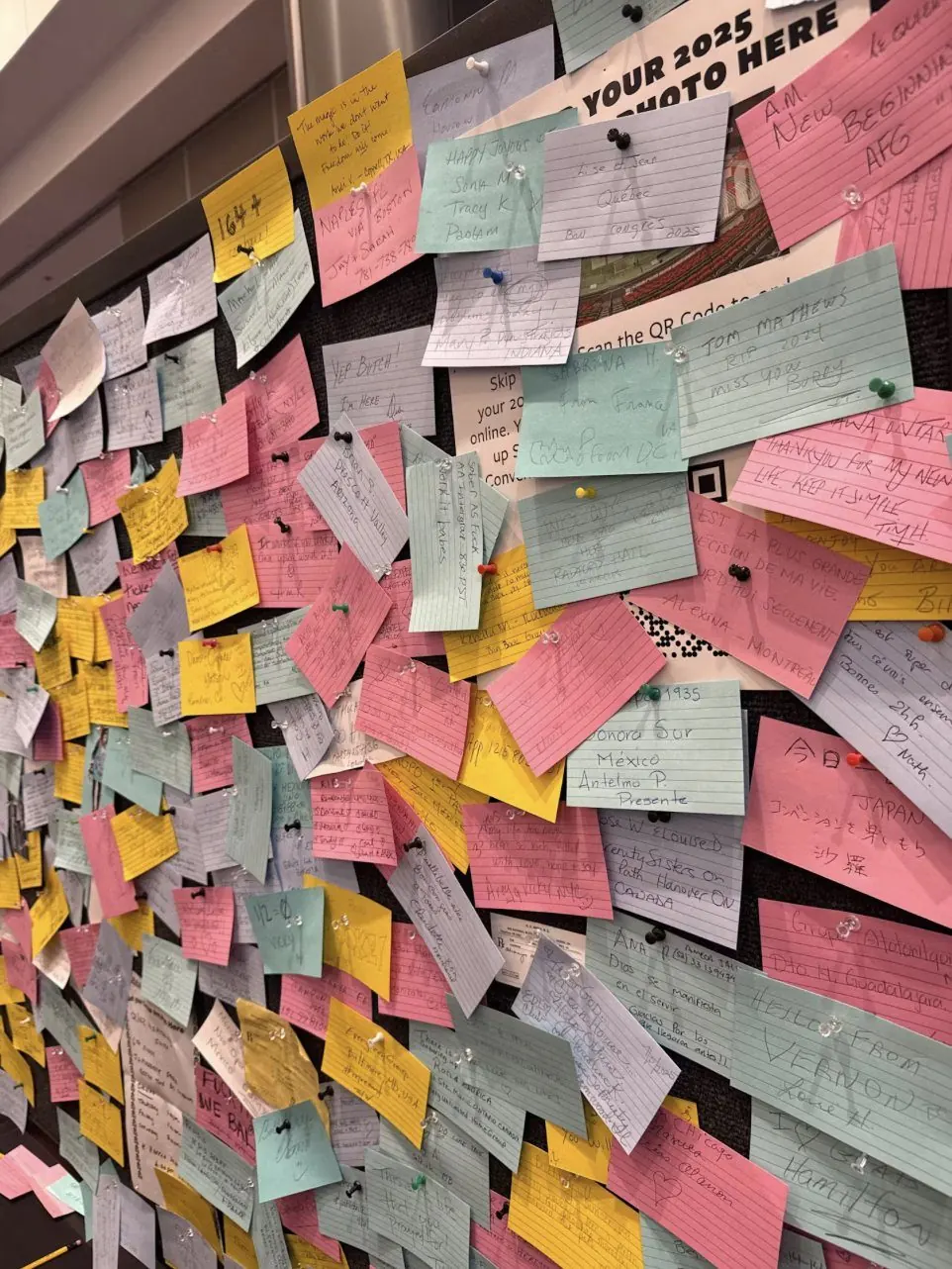

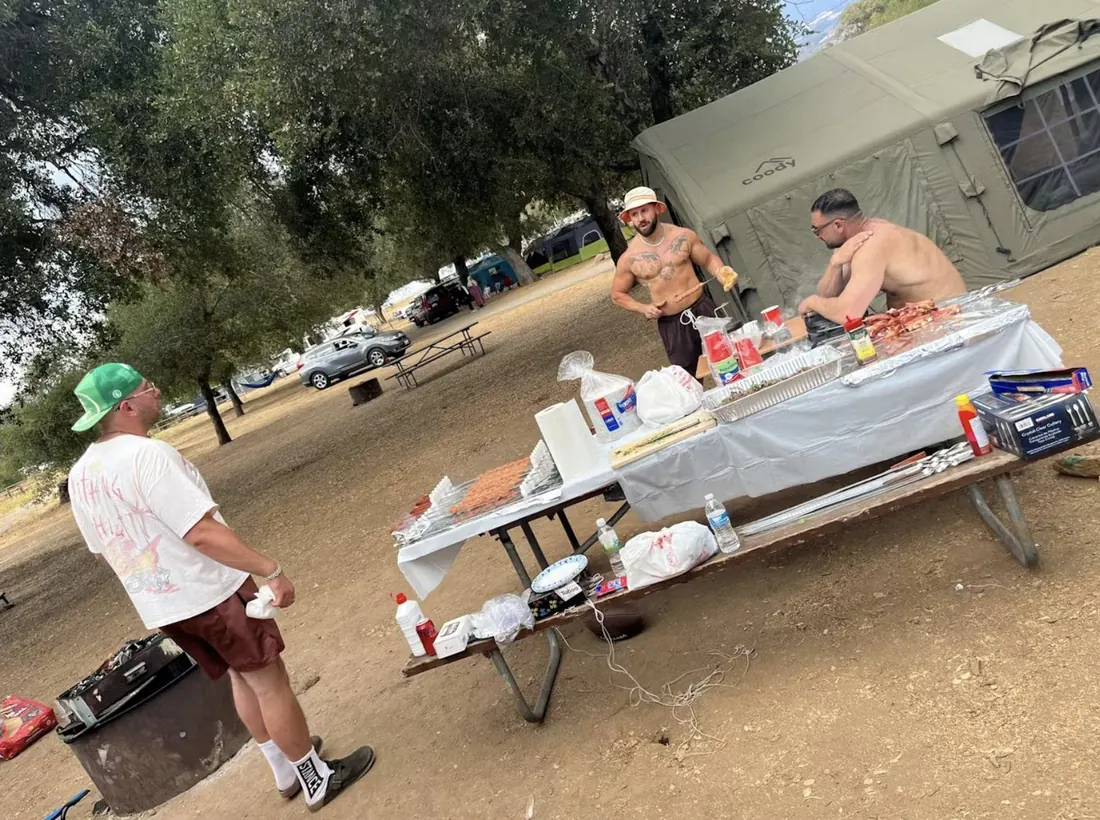
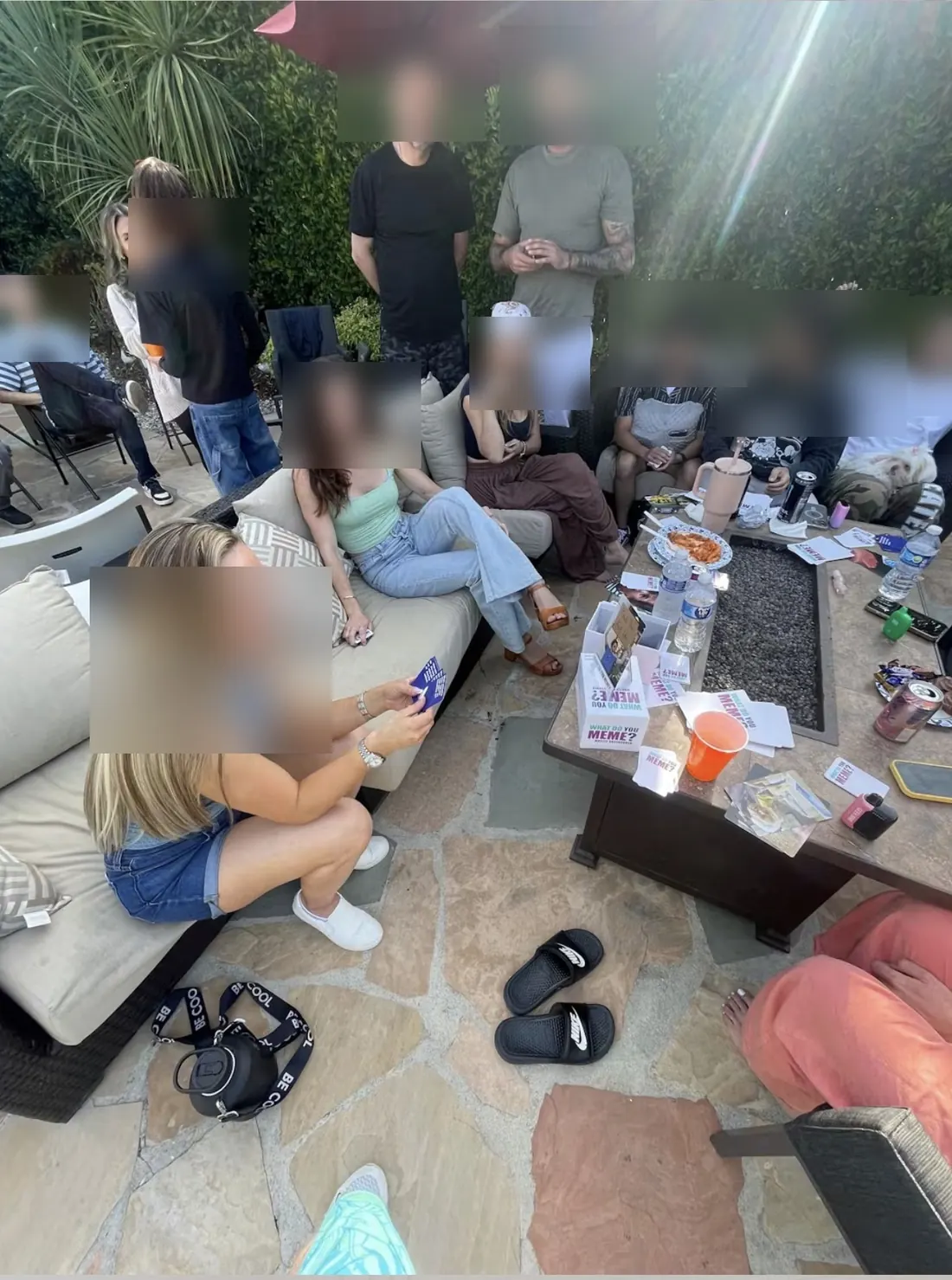
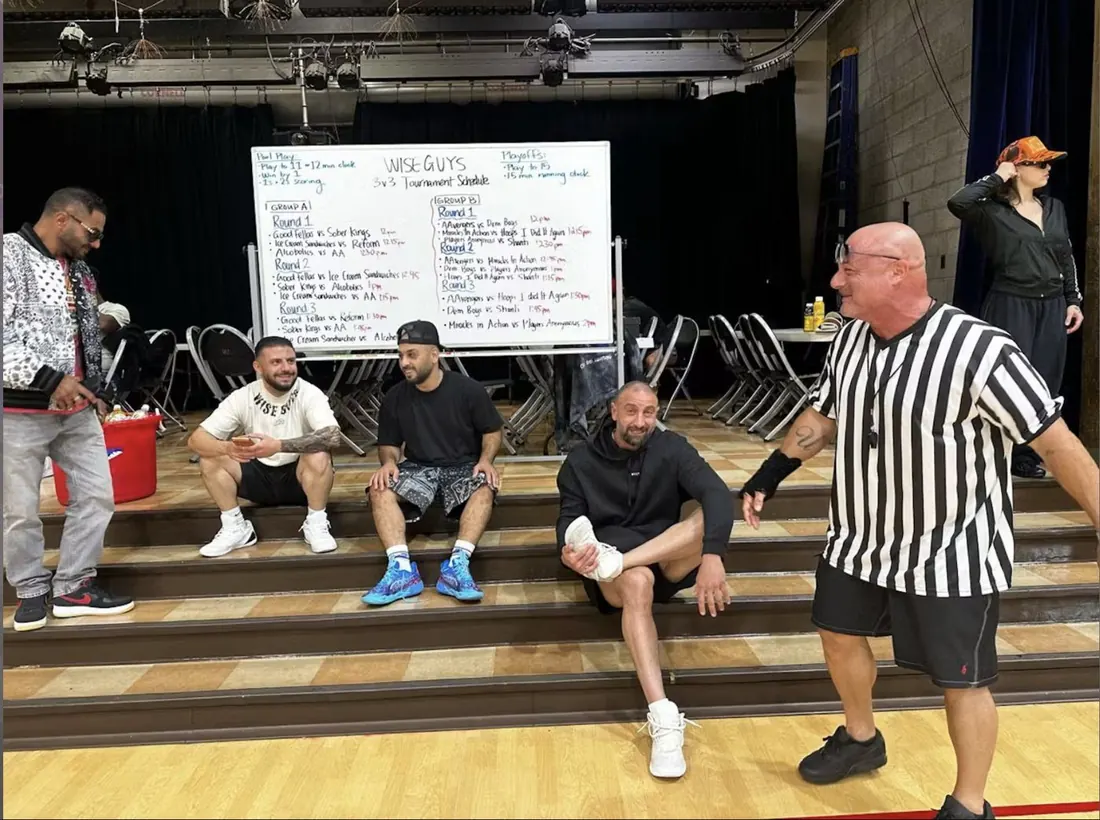
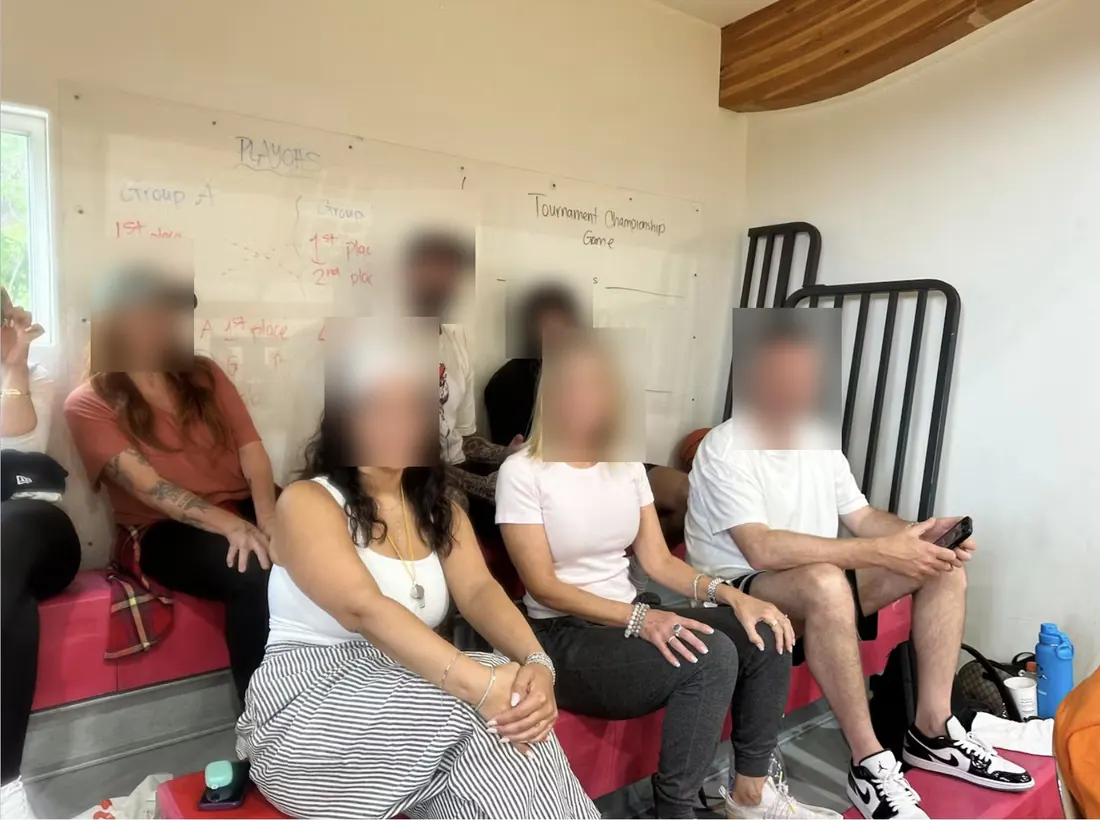
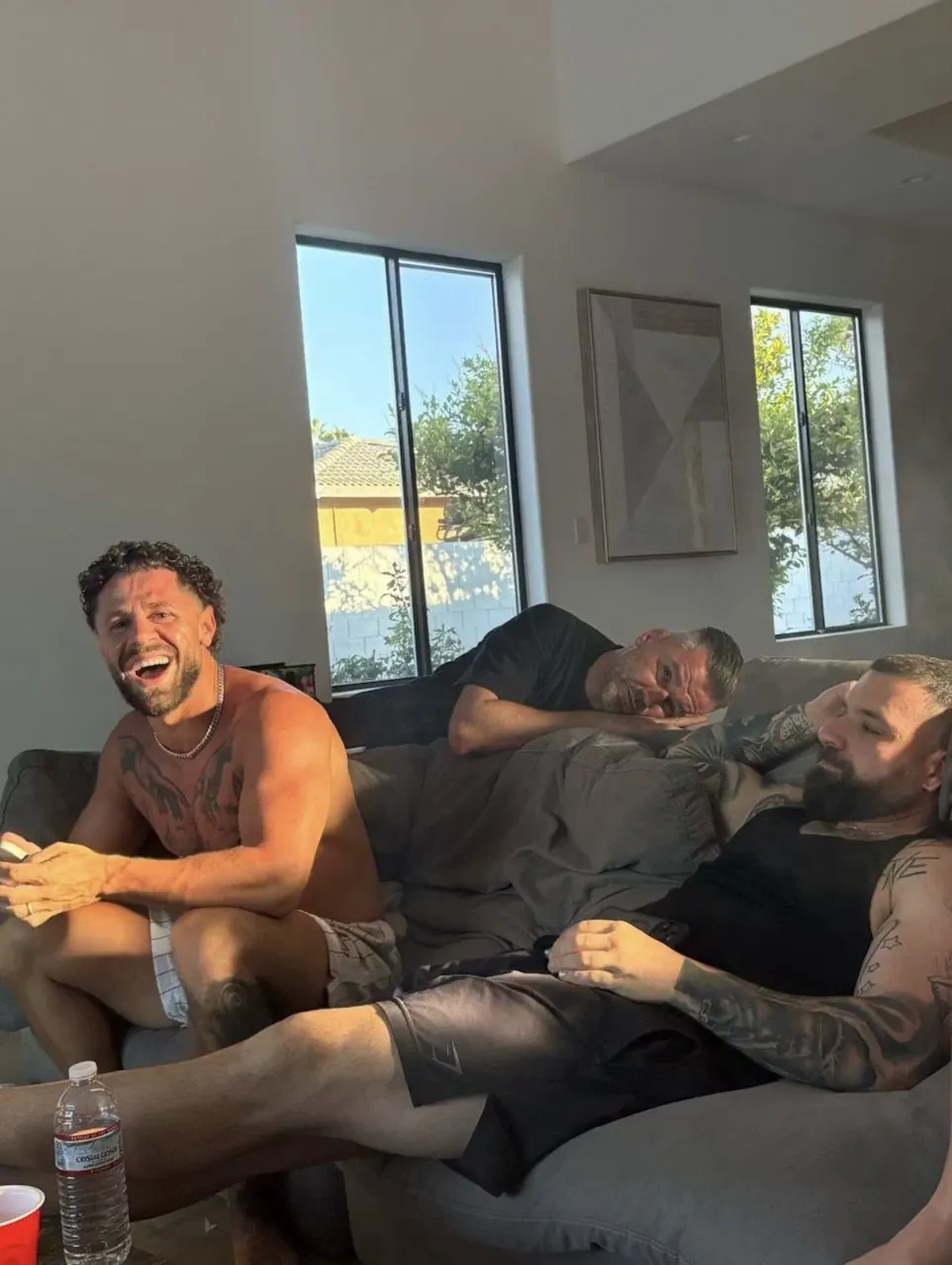

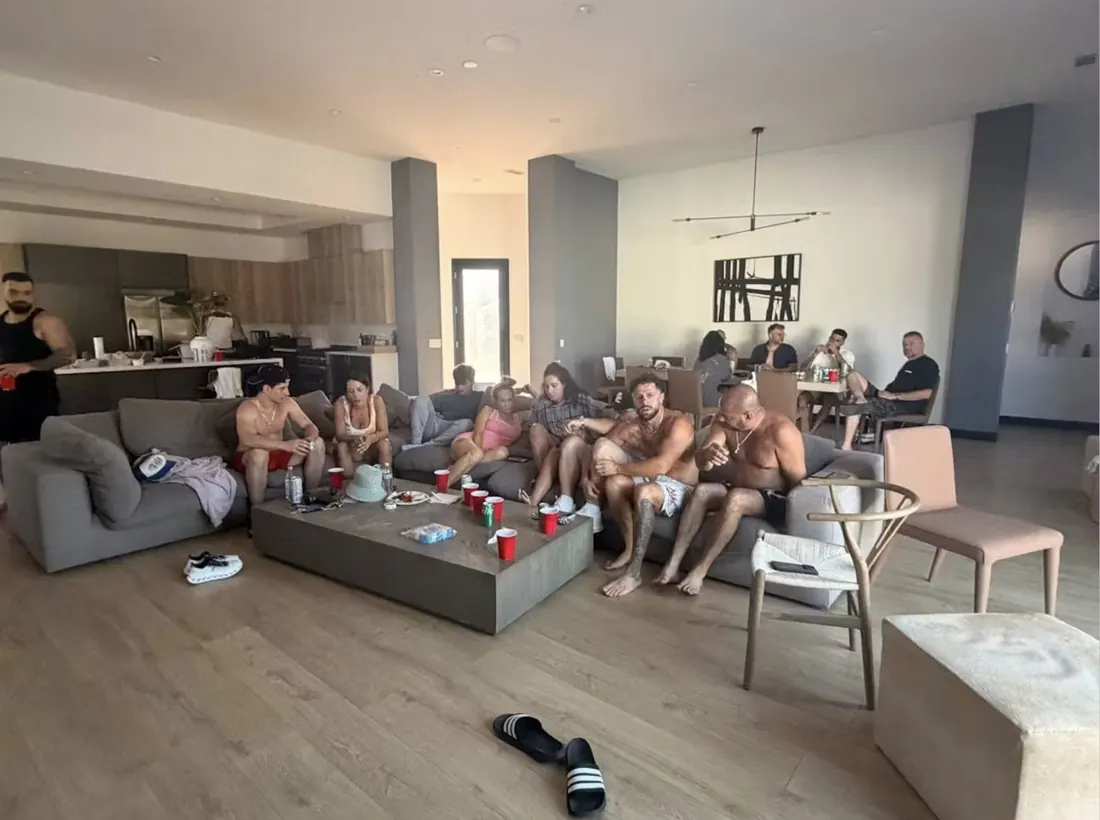
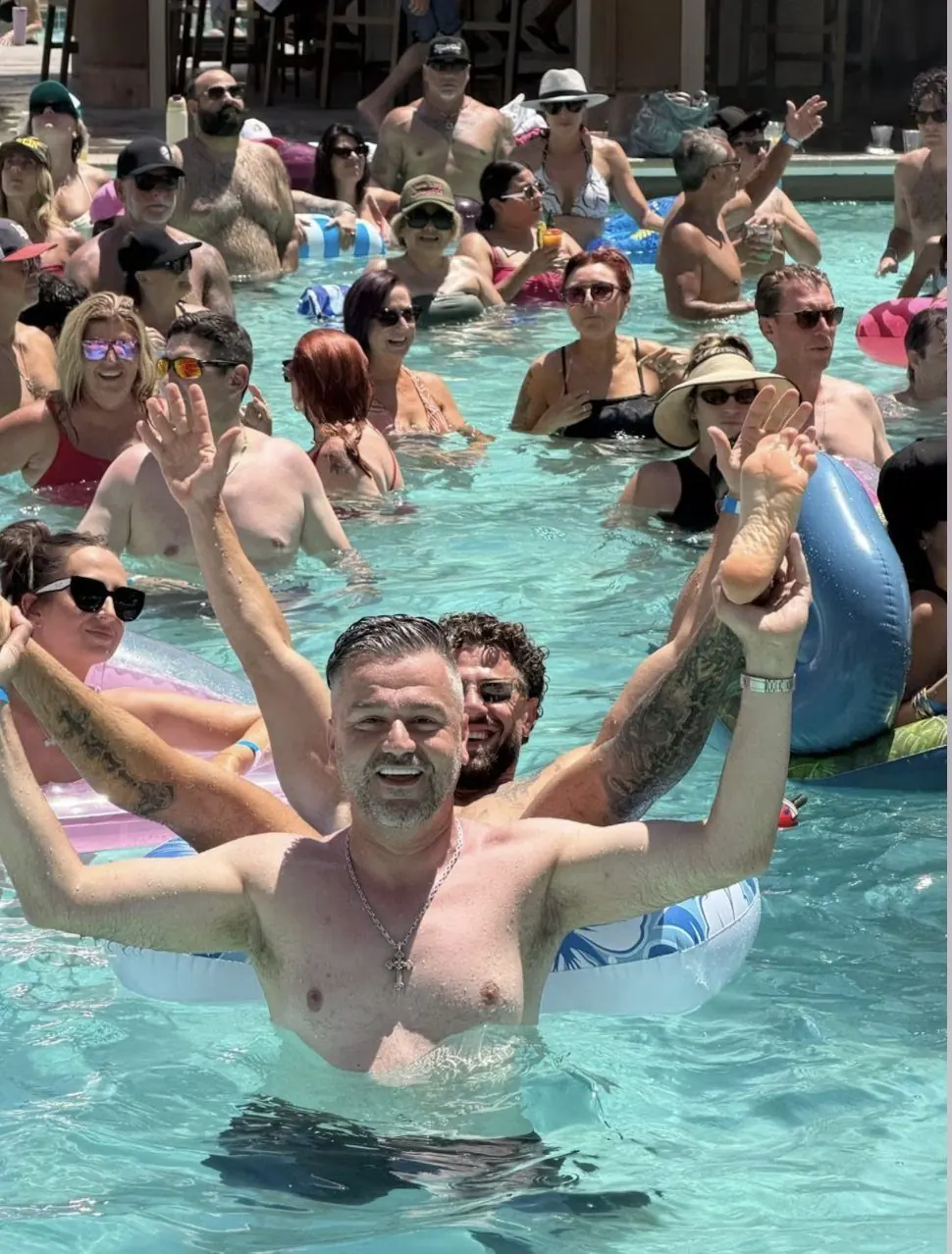
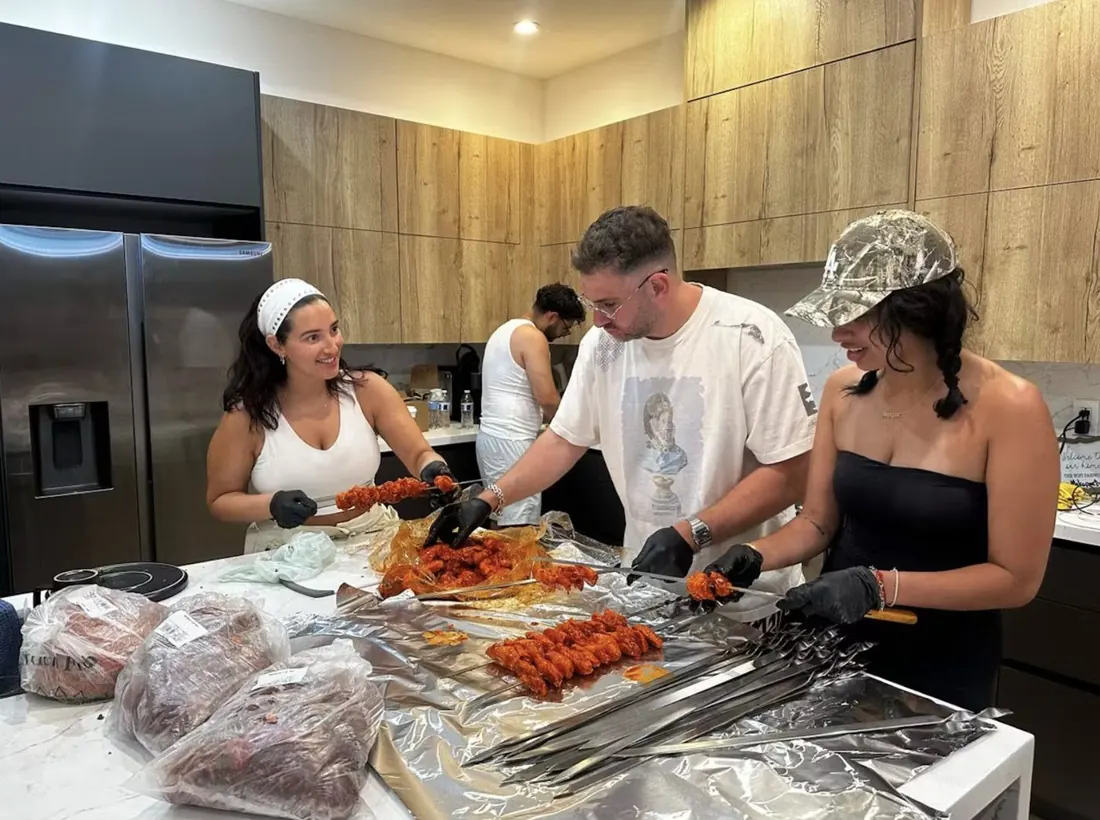
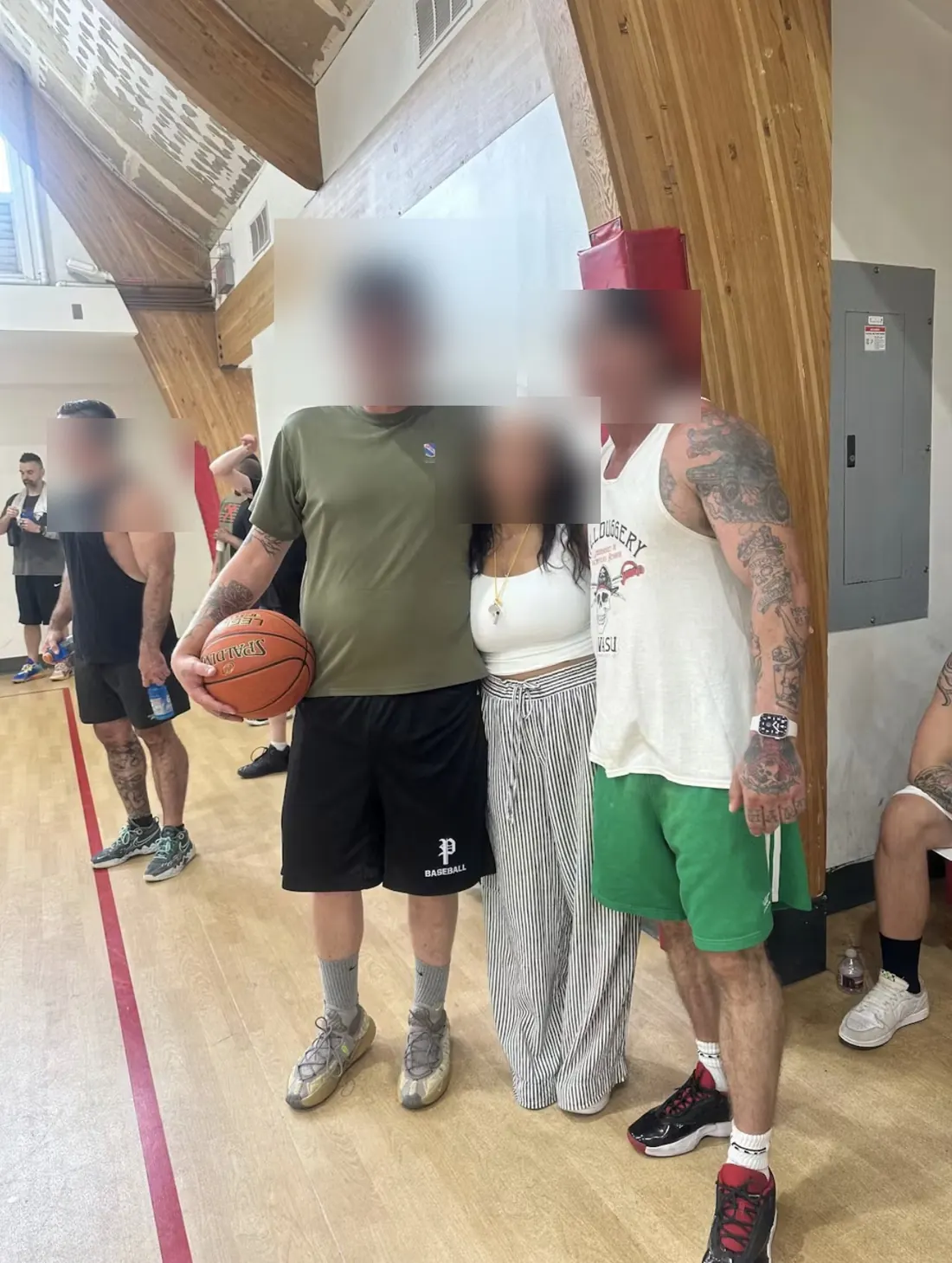
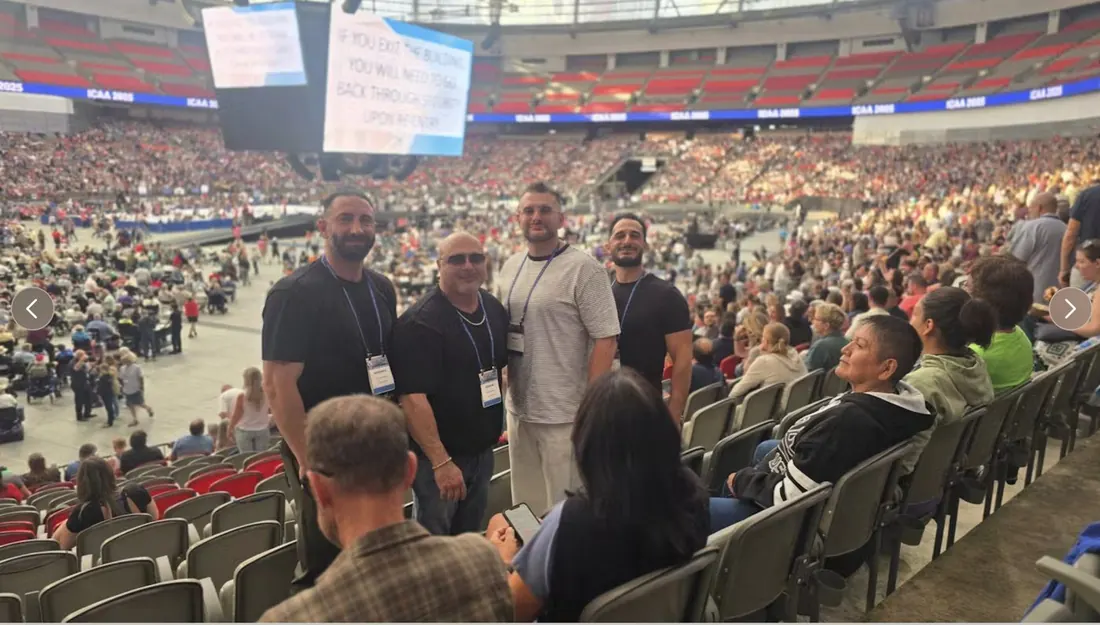
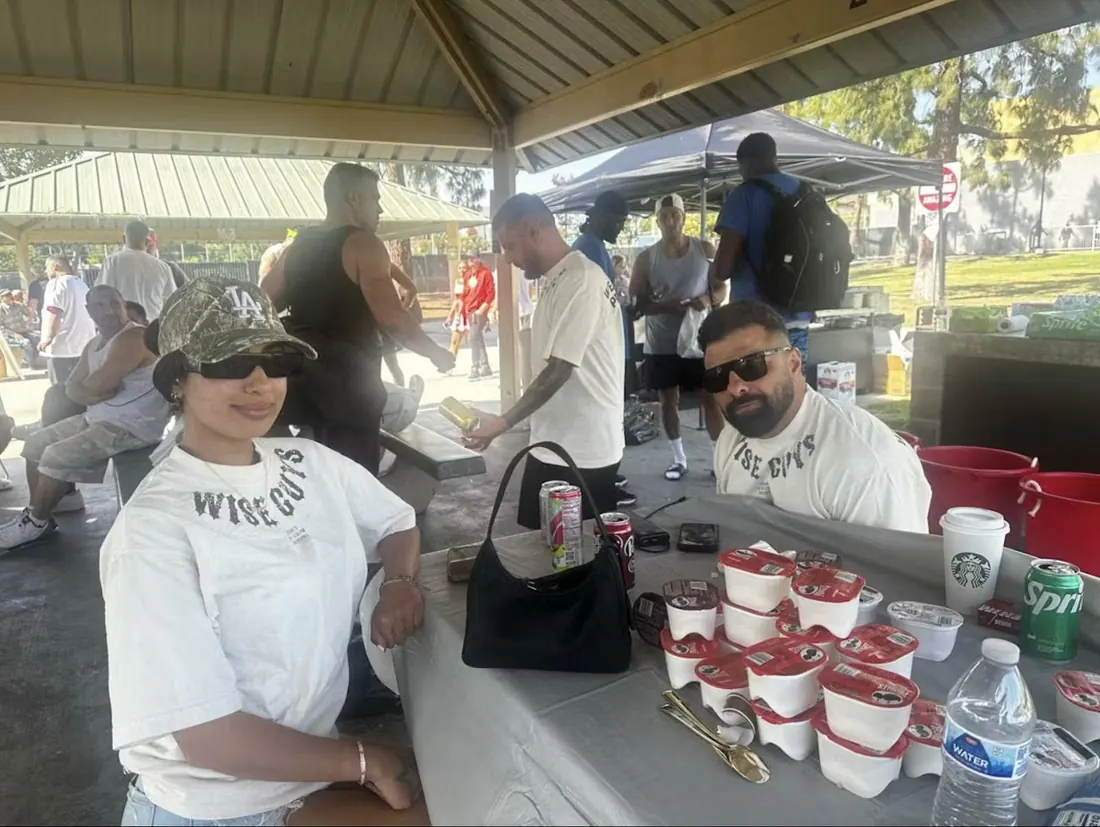

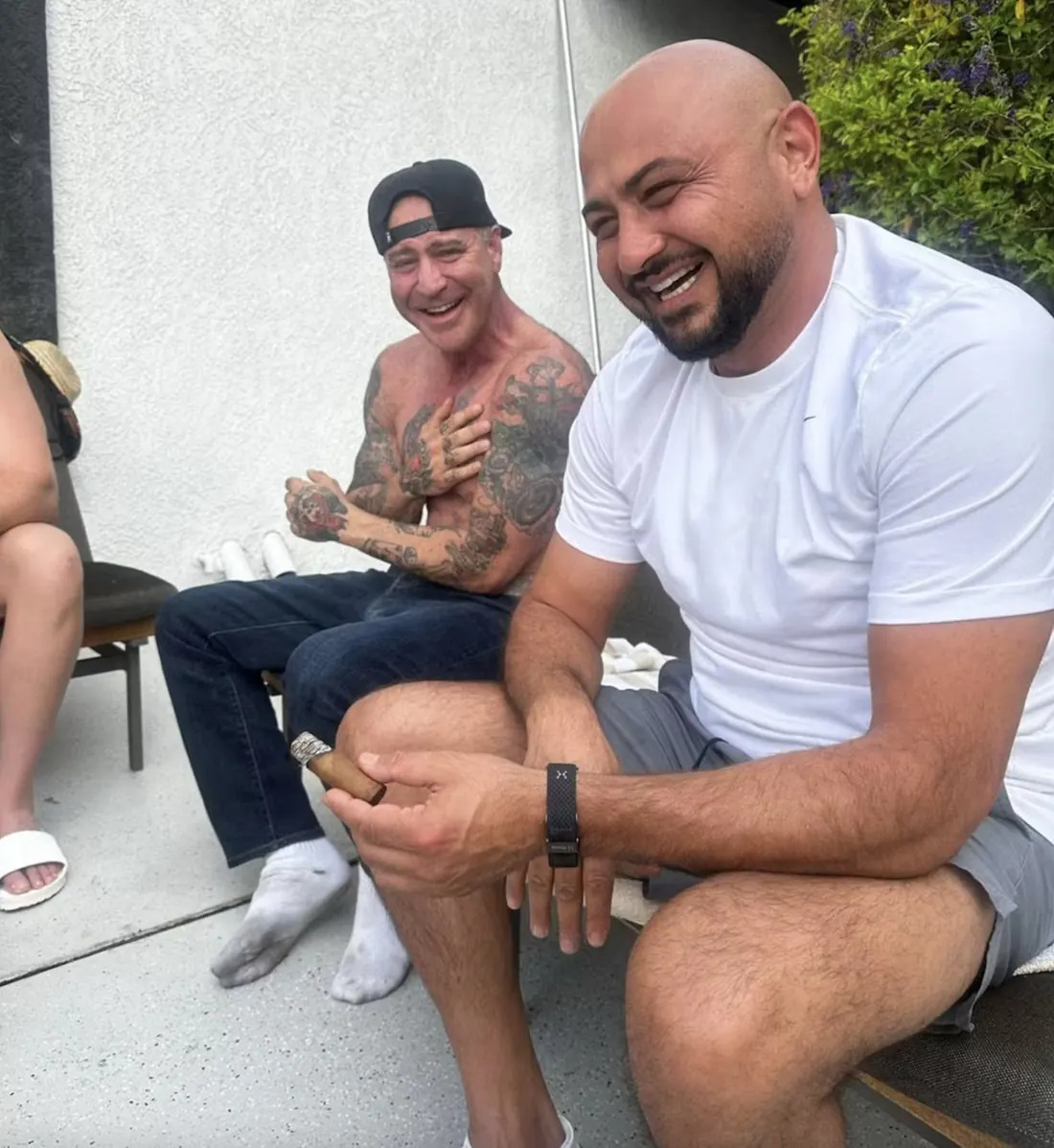
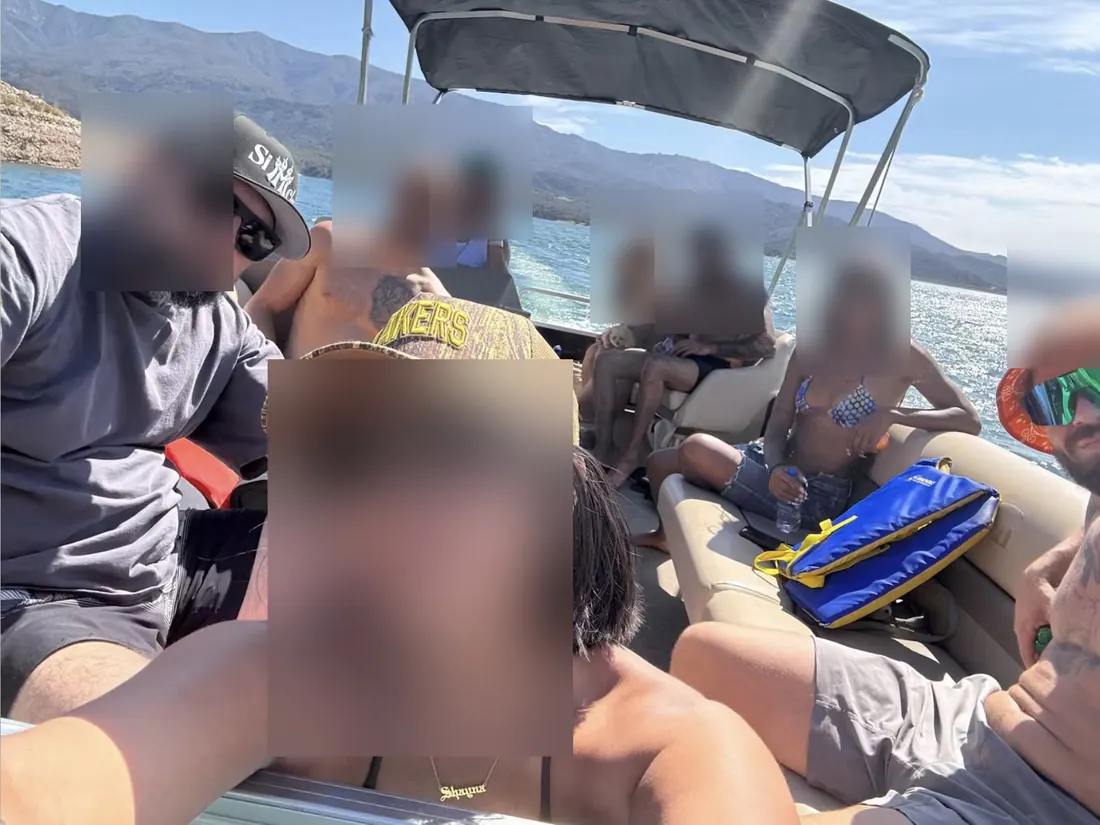
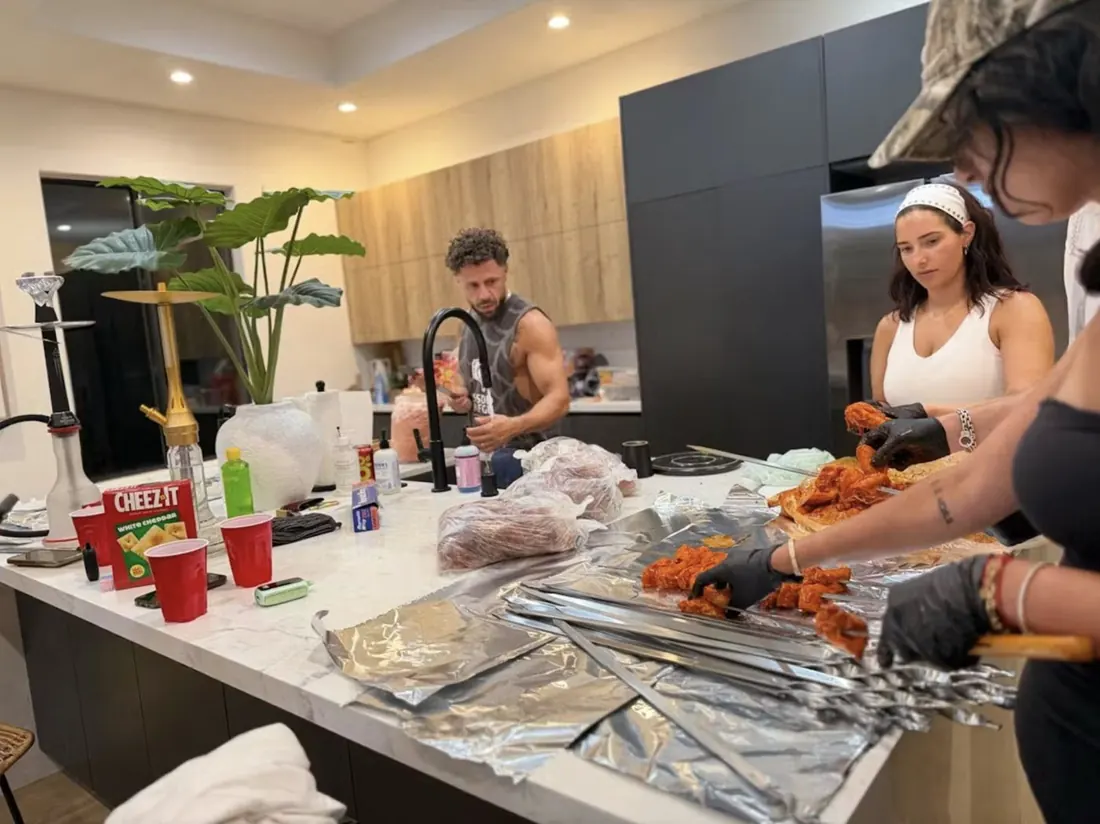
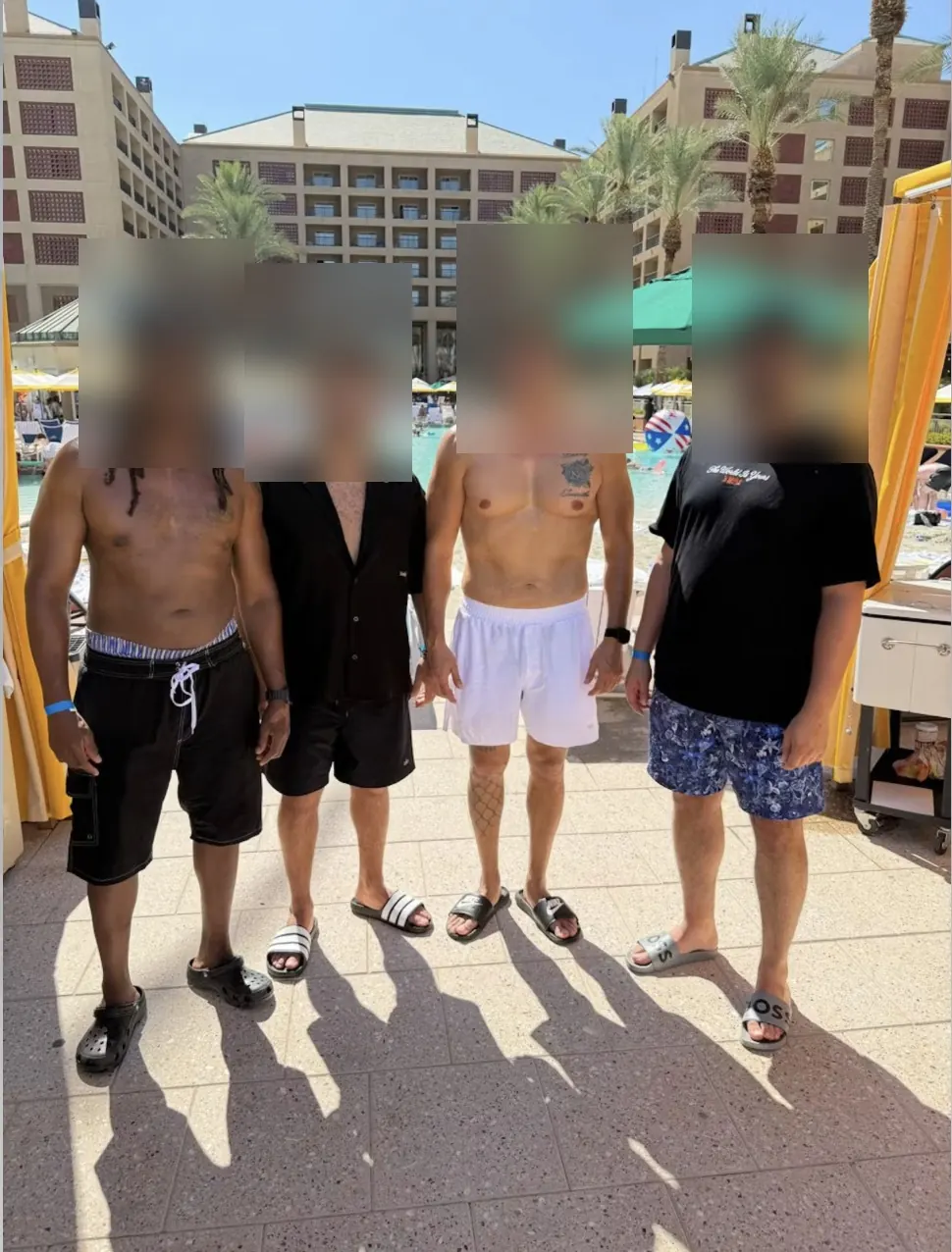
Faces blurred for privacy purposes.
You're Not Just Joining a Program. You're Joining a Community.
One of the greatest gifts of recovery isn't simply putting down drugs or alcohol—it's discovering that you never have to face life alone again.
At Reform Recovery Center, we believe healing happens in relationship. When you become part of the Reform family, you become part of a community of people who understand where you've been, believe in where you're going, and will walk beside you every step of the way.
Take the First StepEvery person on our team has walked this road themselves. They'll know your name, share their experience, strength, and hope, and walk beside you the whole way.
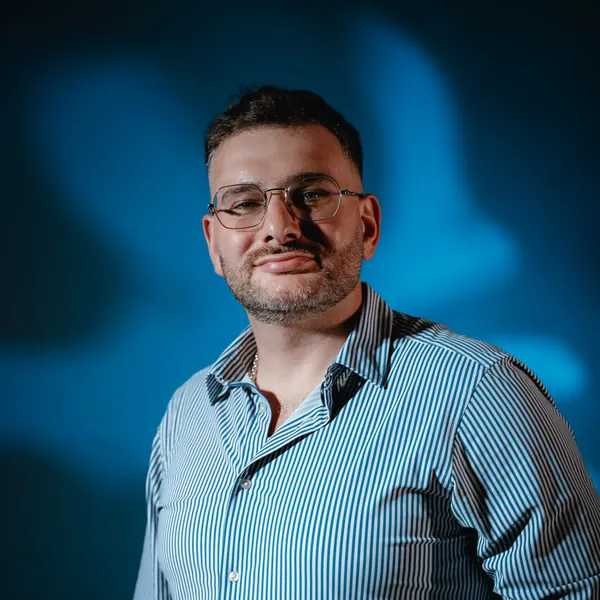
For a long time, I believed my addiction was simply genetic. It runs in my family, so I thought that explained everything. Today, I understand that while genetics may have played a role, recovery began when I accepted one simple truth: I made the decision to drink and use. I remember someone telling me to "stop making excuses." At the time, it hurt, because I didn't see it as an excuse. But I stopped defending my past and started taking responsibility for my future.
I also learned that pain and suffering are inevitable. We all experience them. The question isn't whether we'll suffer, but what we'll do with that suffering. We can let it keep beating us down until it destroys us, or we can allow it to make us stronger. I chose to let it make me stronger.
How? By following directions, taking suggestions, and staying open-minded long enough for my perspective to change. That change in perspective didn't just save my life. It gave me a life worth living. Today, my purpose is to help others discover that same hope, one day at a time.
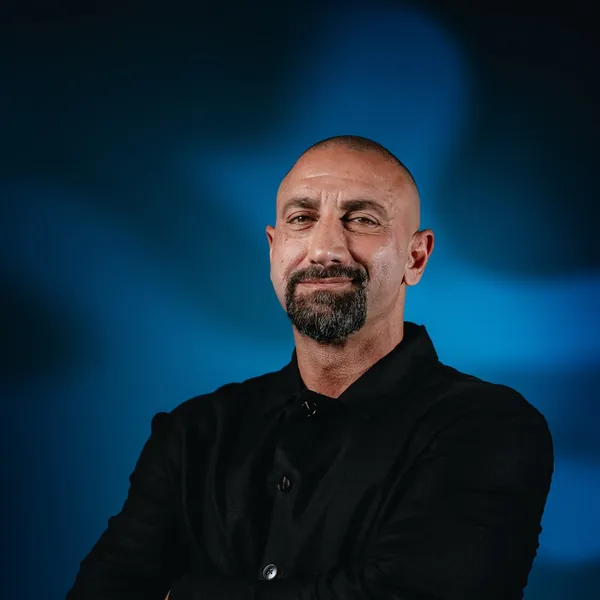
I'm Andranik Khachatrian—a husband, father, businessman, and a man whose life has been shaped by faith, family, recovery, and second chances.
My journey hasn't always been easy, but every challenge has helped make me the man I am today. Recovery taught me the value of gratitude, accountability, service, and taking life one day at a time. Today, I try to use those lessons not only in my own life, but to help others find hope and a better way forward.
Family is at the center of everything I do. Being a husband and father has given me an even greater sense of purpose and reminds me every day what truly matters.
Professionally, I'm an entrepreneur in healthcare, with a passion for building businesses that genuinely help people. I believe success means more than what you accomplish—it's about the people you help, the relationships you build, and the difference you leave behind.
Above everything, I'm grateful for the life I have today and for the people who have walked alongside me. My goal is simple: keep growing, keep giving back, stay close to God, love my family, and never forget where I came from.
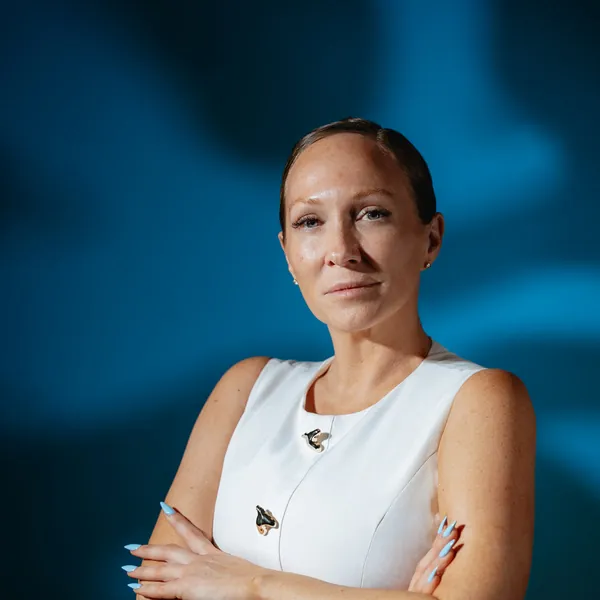
Addiction does not discriminate. I was raised in church and attended private grade school, high school, and university. What began as social drinking and drug use with friends gradually became a life marked by pain, trauma, crime, violence, and dependence on drugs. Even becoming a mother wasn't enough to stop the downward spiral.
By the grace of God, I found recovery. After 25 years of drinking and using, I can honestly say I love my life sober. Reform Recovery has helped me transform my pain into purpose, and today I am honored to be part of a team that offers hope to others walking the same path. Whether you're taking your first step or finding your way back, I look forward to welcoming you home. Join us on the broad road to freedom.

Growing up in a Jewish household, it was difficult for me to admit that I had a problem. As a graduate of UCSB, I believed I was smart enough to figure anything out, but I soon realized that no amount of intelligence could overcome a disease I didn't truly understand.
Once I learned how addiction works, I saw that the fear and shame I carried were nothing compared to the gift of sharing my story and possibly helping save someone else's life. Today, I live a purpose-driven life, committed to helping others find the same hope and freedom that was so freely given to me.
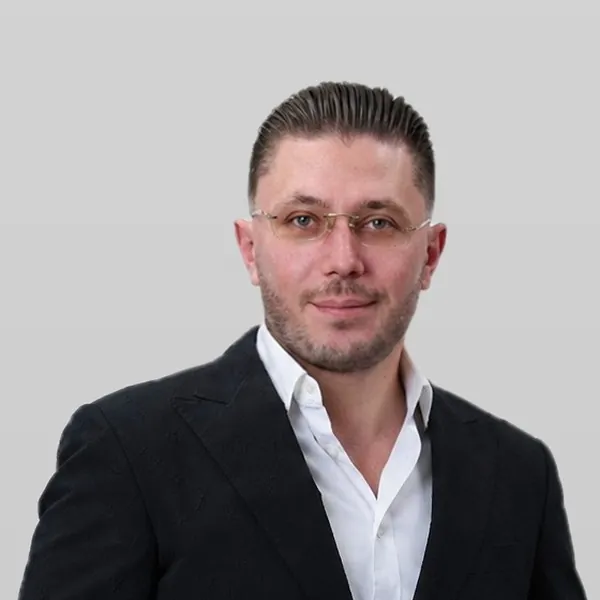
As a proud member of the Reform Family, I bring more than professional experience to our mission—I bring a deeply personal understanding of addiction, loss, and recovery. I spent most of my life firmly against drugs and never imagined that addiction would become part of my own story. After a motorcycle accident, I was prescribed medication for my injuries. What began as legitimate medical treatment eventually developed into a seven-year battle with addiction.
Overcoming addiction changed the course of my life. But my journey became even more personal after experiencing the devastating loss of loved ones to this disease. Rather than allowing my past to define me, I chose to turn my pain into purpose. Recovery is not simply about stopping the use of drugs or alcohol—it is about rebuilding relationships, restoring confidence, rediscovering purpose, and creating a future worth living for. I know firsthand that recovery is possible, and how important it is to have people around you who believe in you when you may no longer believe in yourself. With the right support, courage, and commitment, a new chapter can begin.
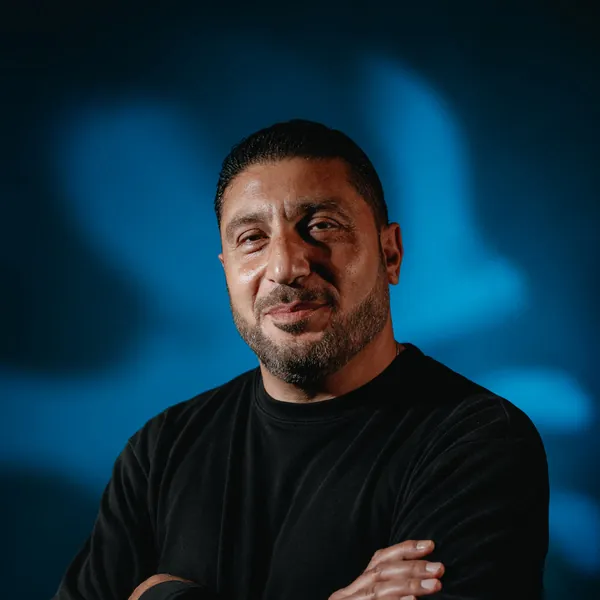
I started drinking at sixteen, and at first alcohol felt like the answer to everything I was looking for. What began as weekends and parties slowly escalated into daily drinking and heavier drug use that lasted 27 years. By the end, I was spiritually, mentally, emotionally, physically, and financially broken. Hopeless, isolated, and completely defeated.
Everything changed when my mom was diagnosed with Stage III cancer and lovingly told me I had no choice: it was time to get my life together. For the first time, I truly surrendered and admitted I was an alcoholic whose life had become unmanageable. I have been sober since June 3, 2022. Through a relationship with God, the fellowship of Alcoholics Anonymous, a sponsor, and the Twelve Steps, my life has changed in ways I never thought possible.
Today, I have the privilege of managing a sober living home and being an example of what recovery can look like. The greatest decision I ever made was accepting what I am and fully surrendering. Recovery has given me a life far beyond anything I could have imagined, one day at a time.
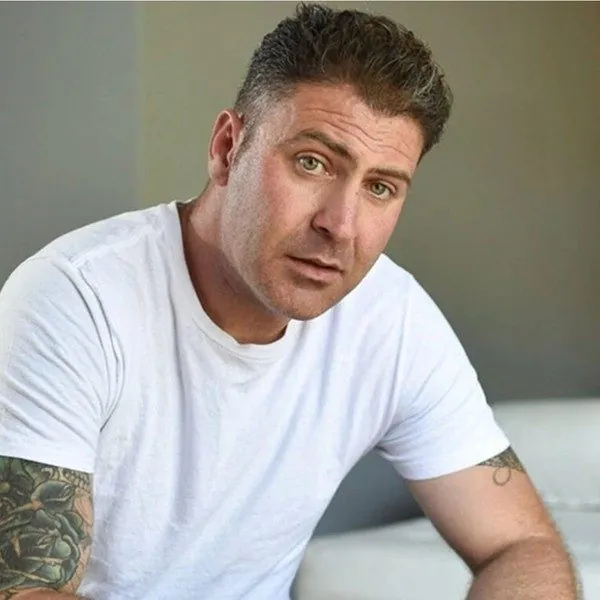
I know that recovery is about far more than putting down a drink or a drug — it's about rediscovering the person underneath years of pain, fear, shame, and survival. My passion for helping others comes not only from more than 20 years of experience working in recovery, but from my own personal journey. I know firsthand what it means to find hope when life feels hopeless, and I believe that lasting change begins when we have the courage to be honest with ourselves and allow others to truly know us.
Over the past two decades, I've had the privilege of walking alongside individuals and families as they rebuild their lives. I've learned that every person has a story worth understanding, not judging. My approach is rooted in compassion, accountability, and authenticity. I strive to create a space where people feel safe enough to uncover the deeper issues driving addiction while discovering a renewed sense of purpose, identity, and connection. My mission is to help people realize that their past does not define them, healing is possible, and recovery isn't just about surviving — it's about building a life that is meaningful, fulfilling, and worth living.
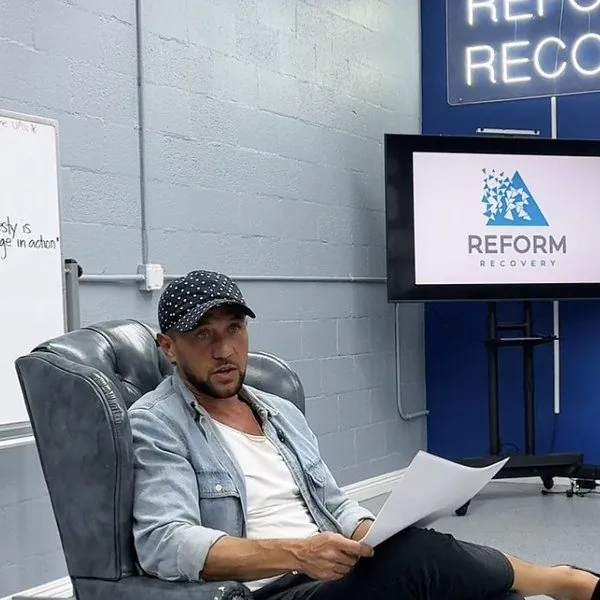
For more than 16 years, I struggled with alcoholism and addiction, convinced I could overcome it through willpower, discipline, and self-knowledge alone. Like many of us, I suffered from what Alcoholics Anonymous calls "terminal uniqueness" — the belief that somehow I was different. That thinking nearly cost me my life. Everything changed when I fully surrendered, and since August 22, 2014, I've remained clean and sober through the principles of Alcoholics Anonymous, the Twelve Steps, sponsorship, service, prayer, meditation, and the fellowship.
Today, recovery is about much more than simply not drinking or using — it's about living a full and meaningful life. I believe in caring for the mind, body, and spirit through connection, physical wellness, creativity, and service to others. Having rebuilt both my personal life and my career through recovery, I'm grateful for the opportunity to walk alongside others, offering hope, support, and the reminder that lasting change is possible when we're willing to ask for help and stay open to a new way of living.

I never thought addiction could happen to me. Growing up in an Indian family, I believed it was something that happened to other people. I spent years thinking life owed me something and blaming everything around me, but nothing changed until I changed. Recovery began when I fully surrendered, got honest with myself, and became willing to do the work. Today, I have everything I spent years chasing in addiction, but I found it in sobriety instead. If recovery can do that for me, it can do it for you too.
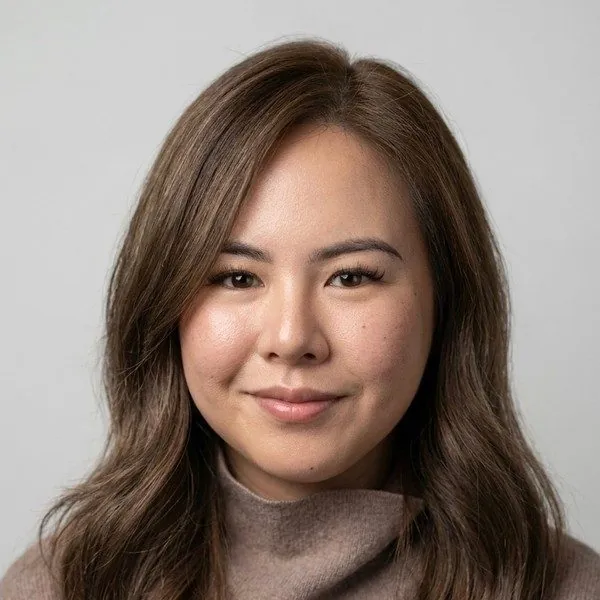
I am a board-certified Family Nurse Practitioner with experience in addiction medicine, urgent care, and operating room nursing. I specialize in the treatment of substance use disorders and am passionate about supporting individuals through every stage of recovery. My goal is to provide compassionate, evidence-based, and individualized care that helps each person build a healthier lifestyle, achieve lasting recovery, and improve their overall well-being.
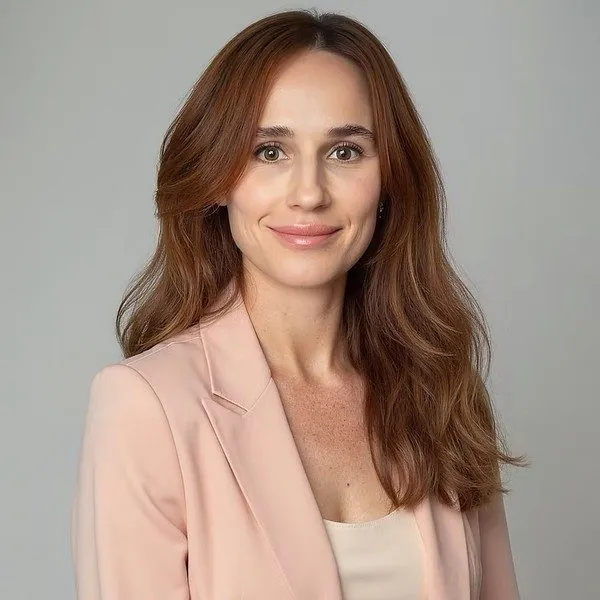
I am a board-certified Family Nurse Practitioner and a certified Sexual Assault Nurse Examiner for Pediatrics (SANE-P). My experience spans primary care, behavioral health, addiction treatment, and forensic nursing, allowing me to provide compassionate, trauma-informed care to individuals and families during some of life's most challenging moments.
I am passionate about supporting people through recovery, healing, and rehabilitation. I work alongside multidisciplinary teams to provide evidence-based care for adults and children affected by addiction, behavioral health challenges, sexual assault, domestic violence, strangulation, and abuse. My goal is to help every patient feel seen, supported, and empowered throughout their journey.
Outside of work, I cherish spending time with my family and remain committed to educating the community about the importance of trauma-informed healthcare.

As someone who struggled in agony for years, with countless attempts to get sober, I truly understand how much of a miracle and gift sobriety is. I've been privileged enough to receive grace and a way out of a hellish cycle, which has made me feel morally obliged to help the next person struggling. Since the decision to turn my attention to others in need of help, my life has been fulfilling beyond my comprehension.
I try to devote my time and energy laying the tools that have helped me and many others at the feet of those who come into treatment. Some decide to pick it up, and others at least have the knowledge that there is a way out and another way of life, possibly better than the way they've been living. My goal isn't to get everyone sober, because I know that simply isn't attainable. My goal is that those who use the tools I pass on give what they've been given to others, and thus a legacy is created.
When I got sober, I came to an understanding that when I perish, the legacy I create is the people I helped and the things I've created. Everything else is fringe. The best parts of life come from uplifting others or creating a better world for our successors.
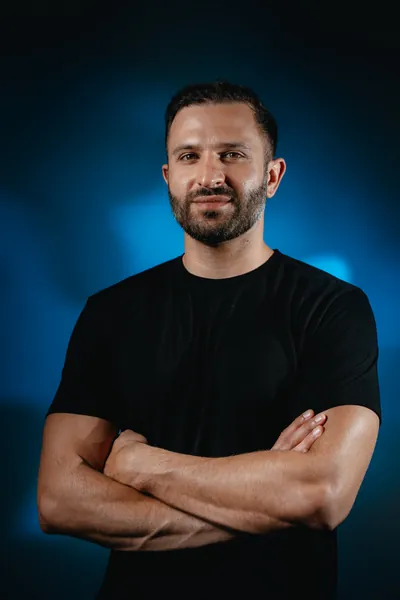
My journey in health and wellness has been one of continuous growth. In 2022, through the practice of yoga, I discovered a deeper spiritual connection. What began as a personal exploration quickly became a passion as I experienced the transformative power of bringing balance to both the mind and body. In 2024, I completed my yoga teacher training, and I now share my practice with the intention of helping others reconnect with themselves, find balance, and build strength.
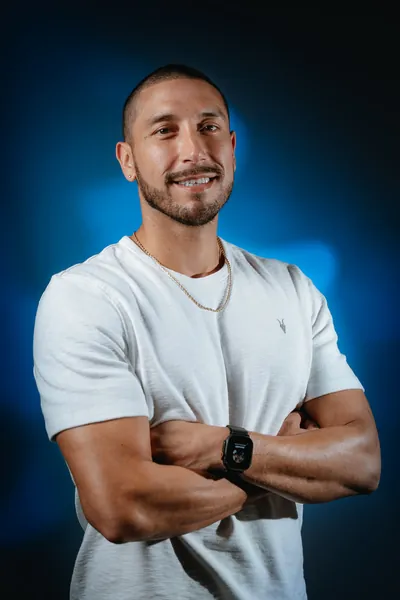
My journey into the recovery field is deeply personal. Drugs and alcohol once took nearly everything from me—years of my life, relationships with family, employment, self-respect, self-esteem, and, eventually, my sense of hope. For a long time, I was trapped in the vicious cycle of alcoholism and addiction, unable to see or believe that there was another way to live. The effects of my addiction extended far beyond me, creating a ripple effect that impacted many of the people I cared about most.
My life began to change because people were willing to meet me where I was. They offered guidance, compassion, accountability, and hope when I struggled to find those things within myself. They showed me that recovery was possible and introduced me to a new way of life. Most importantly, they believed in me and loved me during a time when I had not yet learned how to love or believe in myself.
Today, serving as a Group Facilitator and Detox Technician gives me the opportunity to return the same support that was once so freely given to me. I consider this work both a privilege and a responsibility. My personal experience has taught me that recovery is not a one-size-fits-all journey, and I strive to meet each individual with compassion, dignity, patience, and respect while encouraging personal responsibility and hope for change.
There is nothing more fulfilling to me than witnessing someone begin to recognize that their life can be different. Seeing hope return to someone who once felt consumed by the darkness and hopelessness of active addiction is a powerful reminder of why I chose this work. If I can help spark even a small amount of hope in someone and help them believe that recovery and a better life are possible, then I know I am fulfilling my purpose.
Real moments from our community — straight from our Instagram.
Confidential, free, and no obligation. Most major plans accepted. Let's find out what your coverage includes.
Honest, practical articles on every phase of recovery — for the people struggling and the people who love them. Each is medically reviewed by our clinical team.
The safe, supervised first step of recovery — who needs it, how long it takes, and what to expect.
Read more →Not sure if it's "bad enough" for treatment? Here are 10 honest signs that it's time to get help.
Read more →How the step-down continuum works — and why it's a big part of what makes recovery last.
Read more →An honest, calming walk-through of your first month — from intake through early sobriety.
Read more →Many health plans cover addiction treatment. Learn how coverage works and what to check before seeking help.
Read more →The difference between helping and enabling, setting boundaries, and encouraging treatment.
Read more →Opioid addiction can start with a prescription and quickly take over. Learn how it develops and how treatment helps you recover.
Read more →Fentanyl is driving a deadly overdose crisis. Learn why it's so dangerous, how it hides in other drugs, and how to get help.
Read more →What sober living is, the house rules, the benefits, and why it makes sobriety durable.
Read more →Search, or browse by topic — for anyone considering treatment, already in it, or supporting someone they love.
Medically reviewed by Reform Recovery's clinical team.
One confidential call to 844-R-REFORM is all it takes. An admissions specialist listens to your situation, verifies your insurance, and helps determine the right level of care — no pressure, no judgment. You can also tap "Verify Insurance" to send a photo of your card.
We listen, answer your questions, verify your benefits, and — if Reform is a good fit — arrange same-day or next-day admission. It's confidential and there's no obligation.
No. After a short clinical assessment, our team recommends the right starting point for you — medical detox, residential, PHP, IOP, outpatient, or sober living.
Comfortable clothing and shoes, toiletries, a photo ID and your insurance card, and any prescribed medications. We'll send a full packing list before you arrive.
Often the same day or the next day, once your benefits are verified. When you're ready, we move quickly.
Yes. Recovery often takes more than one attempt, and relapse is common — it isn't failure. What matters is the willingness to ask for help again, and we'll meet you with understanding, not judgment.
Most major PPO plans cover some or all of treatment for substance use and mental health. How much is covered depends on your specific plan — we verify your benefits for free before you commit to anything.
Call 844-R-REFORM or tap "Verify Insurance" and upload a photo of your card. We check your coverage confidentially, usually within minutes, and explain exactly what's covered.
Most major PPO and POS commercial insurance plans. Verify yours and we'll confirm your specific benefits.
Call us — we'll talk through your options and point you toward resources, including state-funded programs and the SAMHSA National Helpline (1-800-662-4357), free and confidential, 24/7.
Yes. After verifying your benefits, we explain your coverage and any out-of-pocket costs before you commit — no surprises.
Medically supervised detox is recommended for alcohol, benzodiazepines, opioids and prescription painkillers, and for severe or poly-substance use. Our team assesses your history and keeps you safe.
Yes. Our medical detox partners provide around-the-clock supervision to manage withdrawal and keep you as comfortable and safe as possible.
Usually 2–7 days, depending on the substance and your history.
We manage withdrawal with medical supervision and, when appropriate, medication — so you can rest, eat, and stabilize while your body heals.
Detox stabilizes your body; the real work of recovery continues in residential, PHP, IOP, or outpatient care, where you build the tools and connection that make sobriety last.
Medical Detox → Residential → PHP → IOP → Outpatient → Sober Living. We meet you wherever you are and step you down as you grow stronger.
PHP (Partial Hospitalization) is full-day structured care, about five days a week. IOP (Intensive Outpatient) is three to five days a week with more flexibility to work or study. OP (Outpatient) is one to two days a week for long-term support.
A blend of individual therapy, group sessions, life skills, recovery education, and time to rest and reflect — structured, but human. Your schedule depends on your level of care.
It varies — from a short detox stay to several weeks of residential care and months of outpatient support. Most programs run 30–90 days, plus ongoing aftercare.
Because you can't detox for 30 days and return to the same people, places, and things and expect it to hold. Lasting recovery is built through the full continuum of care and a real community.
A safe, structured, substance-free home with built-in accountability and peer support — available throughout your journey to help you practice recovery in the real world.
Encourage treatment, stay involved, and support their aftercare plan — while remembering their recovery is theirs to carry. We'll teach you how to support without enabling, and how to set healthy boundaries.
If substances are harming their health, relationships, work, or safety and they can't stop on their own, it's time to reach out. Call us and we'll help you figure out the next step.
You're not alone, and there are ways forward. Call us — we can talk through approaches and support you. If there's immediate danger, call 911. For emotional crisis support, call or text 988. For treatment questions, the SAMHSA National Helpline is available 24/7 at 1-800-662-4357.
Visits are coordinated through your loved one's therapist. There's often a short settling-in period at the start; after that, visits and family sessions are encouraged — family involvement improves outcomes.
Yes. Family education and counseling help everyone understand addiction, recovery, and relapse prevention, so you can heal together and build a supportive home.
You leave with a personalized aftercare plan — ongoing outpatient support, our alumni community, meetings, and sober living if you need it. Recovery is a continuum, not a finish line.
Relapse can be part of the journey — not the end of it. Reach out and we'll help you get back on track. Addiction has relapse rates similar to diabetes, asthma, and high blood pressure; what matters is coming back.
Yes — because recovery is stronger together. Our alumni stay connected through events, service, mentorship, and simply showing up for one another long after treatment ends.
For most people, connection is essential — "the opposite of addiction is connection." That's why community and fellowship run through everything we do.
Always. Your privacy is protected under HIPAA, and every conversation with our team is confidential.
We're in Burbank, California, serving Burbank and the Greater Los Angeles area.
No questions match that search. Try another word — or just call us at 844-R-REFORM.